Things to Do in Albania
Cold rivers, crumbling castles, raki with strangers, and a coastline Europe forgot to ruin
Top Things to Do in Albania
Find activities and tours you'll actually want to do. Book through our partners -- no booking fees.
Plan Your Trip
Essential guides for timing and budgeting
Climate Guide
Best times to visit based on weather and events
View guide →Day Trips
The best excursions and nearby destinations worth the journey
Explore day trips →Where to Stay
Best neighbourhoods, hotel picks, and booking tips
Find hotels →Travel Insurance
What's required, what coverage matters, and how to get a quote
Read guide →What to Pack
Climate-specific gear, essentials, and what to leave at home
See packing list →When Should You Visit Albania?
Tap a month for weather, crowds, and highlights
View full year-round climate guide →


Your Guide to Albania
About Albania
Albania hits your nose first. Wood smoke. Strong coffee. Then you see Tirana. Step off any bus and espresso pulls you toward Blloku, the old communist elite quarter where Enver Hoxha's villa now sits between cocktail bars and gelaterias. History happened here. Nobody pretends otherwise. This country spent fifty years sealed behind concrete bunkers, then blinked into capitalism in 1991.
That disorientation remains. No one has learned to package themselves for tourists. In Berat, Ottoman houses climb the hillside in teetering white rows. Their enormous windows stare across the Osum River at Gorica's Orthodox churches. Two centuries of neighbours who never agreed, yet coexist. Gjirokaster rises entirely from blue-gray slate.
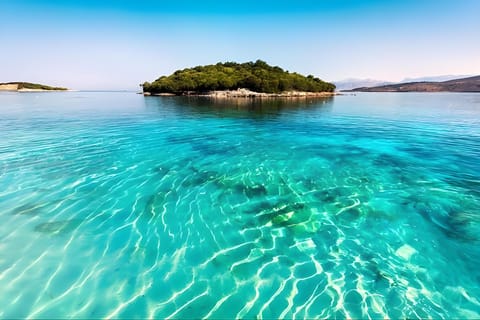
Rooftops, walls, cobblestones, one material. Your footsteps echo between tower houses that served as private fortresses two hundred years ago. South of the Llogara Pass, the Riviera drops into water so clear you can count pebbles at three metres. Grilled fish with bread, salad, and local wine still costs around 1,500 lek.
The roads punish. Furgon minibuses leave when full, not on time. Outside cities, your translation app works harder than you do. None of it matters. A stranger waves you into their courtyard. Presses raki into your hand. Refuses your money. This is besa. A hospitality code older than Ottoman conquest. Your comfort is their moral obligation.
Albania remains the last unpolished stretch of Mediterranean Europe. That window is closing. You can see it.
Travel Tips
Transportation: Forget trains. Albania has none. Forget a central bus station in Tirana. You are navigating furgons, privately run minibuses that depart when full. Destinations appear handwritten on cardboard windshields. Furgons to Berat leave from near Casa Italia in southwest Tirana. Cost: around 400 lek. For Saranda or Gjirokaster, head to the stop near TEG shopping mall. Download VrapOn or Speed Taxi before landing. Uber and Bolt do not operate here. App rides run fifteen to twenty percent cheaper than street taxis. Never accept unmetered taxis from Tirana airport. Drivers quote double or triple without blinking. Night driving outside cities is dangerous. Unlit roads. Livestock. Locals overtaking on blind mountain curves. Avoid it.
Money: The lek runs around 82 to one US dollar. Cash rules roughly seventy percent of transactions. Many restaurants, guesthouses, and furgon drivers accept nothing else. Withdraw 10,000 to 15,000 lek on arrival. Skip Euronet ATMs. They charge punishing conversion fees. Use Credins Bank, Raiffeisen, or BKT machines instead. Tipping lacks the American urgency. Round up. Leave ten percent for good service. Both work. Watch the Riviera. Tourist prices rose twelve to twenty percent through 2025. A Ksamil sunbed at peak summer now nears Corfu rates. Inland and off-peak, Albania stays cheap. A full dinner for two with wine at a traditional Tirana restaurant still runs under 1,100 lek total.
Cultural Respect: Nodding means no. Shaking your head means yes. You will get this wrong. Repeatedly. Albanians will laugh. They find it amusing, not offensive. Knowing beforehand saves confusion at restaurants and bus stops. The deeper code is besa. An ancient hospitality pledge. The guest is sacred. When a family invites you in, refusing outright signals coldness, not politeness. Accept at least a small glass of raki or coffee. Every evening brings the xhiro. Families dress up and stroll the main boulevard for hours. Join them. Religious tolerance runs deep. Mosques and churches share blocks in most towns. Most Albanians identify culturally, not devoutly, with their faith.
Food Safety: Tap water is unsafe everywhere. Buy bottled. Bring a filter bottle. One-and-a-half litre bottles cost almost nothing at any market. The food itself is safe. Albanian cooking uses high heat, fresh ingredients, and immediate service. Byrek bakeries open at six. Product turns over constantly. Filo dough rolls fresh on marble slabs in back. Follow the smoke for your best meals. Look for qebaptore with visible charcoal grills. Qofte meatballs spit fat over open flames. They arrive with raw onion and kajmak cream. In coastal towns, the worthwhile fish restaurants serve lunch based on that morning's catch. Menus are handwritten or recited. Avoid seafood places with laminated photograph menus aimed at passing tourists. in Saranda and Ksamil during peak summer.
When to Visit
Albania runs on a Mediterranean climate with one critical wrinkle: once you leave the coast, altitude changes everything. The Riviera beaches south of Vlora bake at 30 to 33 degrees Celsius (86 to 91 Fahrenheit) through July and August with nearly zero rainfall and eleven hours of daily sunshine. But those same months turn Tirana into a heat trap where exhaust fumes hang in still air above the Blloku cafe terraces.
May and June are likely your best window. Coastal water is warm enough to swim by late May, temperatures hover at a comfortable 22 to 26 degrees Celsius (72 to 79 Fahrenheit), and the furgons to Himara and Dhermi carry backpackers and a few Albanians rather than the crush that descends in July. Hotel rates along the Riviera drop roughly thirty to forty percent compared to August peak, and Ksamil's beaches, which become a shoulder-to-shoulder sunbed operation by mid-July, still have open sand.
September through early October is the second sweet spot, for the interior: Berat's cobblestones glow gold in the lower autumn light, Gjirokaster's stone city loses the summer tour groups, and the water at Saranda holds its warmth into mid-October. The honest assessment of July and August is this: Albania has been discovered.
The Riviera in peak season now approaches Greek island pricing for sunbeds and waterfront dining, the Llogara Pass road backs up with rental cars, and Ksamil feels like it belongs to a different, more expensive country. If you are coming for the coast and want the Albania that budget travelers raved about five years ago, come in June or September.
November through February is difficult for most travelers. Coastal towns board up, the mountain roads become treacherous with rain and occasional snow, and the gray Adriatic mist settles over Shkoder and Durres for weeks. That said, Tirana remains alive year-round, Berat is hauntingly quiet and atmospheric in winter fog, and accommodation everywhere drops to its lowest annual prices.
The Gjirokaster National Folklore Festival, a celebration of Albanian iso-polyphony and traditional dance held in the castle, is confirmed for September 2026 and alone justifies timing a trip around it. UNUM Festival brings electronic music to the beaches near Shengjin in early June, and the Za Festival fills Shkodra Castle with international artists in late July.
For budget travelers: late May or September offer the best ratio of weather to cost to crowd levels. For those who run warm and hate sharing a beach, October still works on the southern coast. Families with children should target June before school holidays flood the Riviera. Solo travelers and hikers will find the Albanian Alps above Theth at their most accessible from June through September, when the mountain guesthouses open and the trails dry out enough to walk without sliding off a cliff.
More Ways to Experience Albania
Tours, day trips, and local experiences curated by on-the-ground operators.
Didn't see anything interesting yet?
Browse Viator's full catalog of tours, day trips, food experiences, and private guides in Albania.
See All Albania Tours on Viator